If you’re thinking about straightening your teeth but don’t want the discomfort and hassle of wearing metal braces, you’re not alone. Invisalign clear aligners have become an increasingly popular option for teens and adults in North Barringotn, IL areas who want a discreet, comfortable way to improve their smile and bite. Still, many patients wonder: Is Invisalign strong enough to fix my specific orthodontic problem?
At Skopek Orthodontics, Dr. Skopek use advanced clear aligner technology to treat a wide range of issues – from mild crowding to more complex bite problems. This guide explains the most common orthodontic conditions Invisalign can treat and when it may (or may not) be the right choice for your needs.
How Invisalign Works in a Nutshell
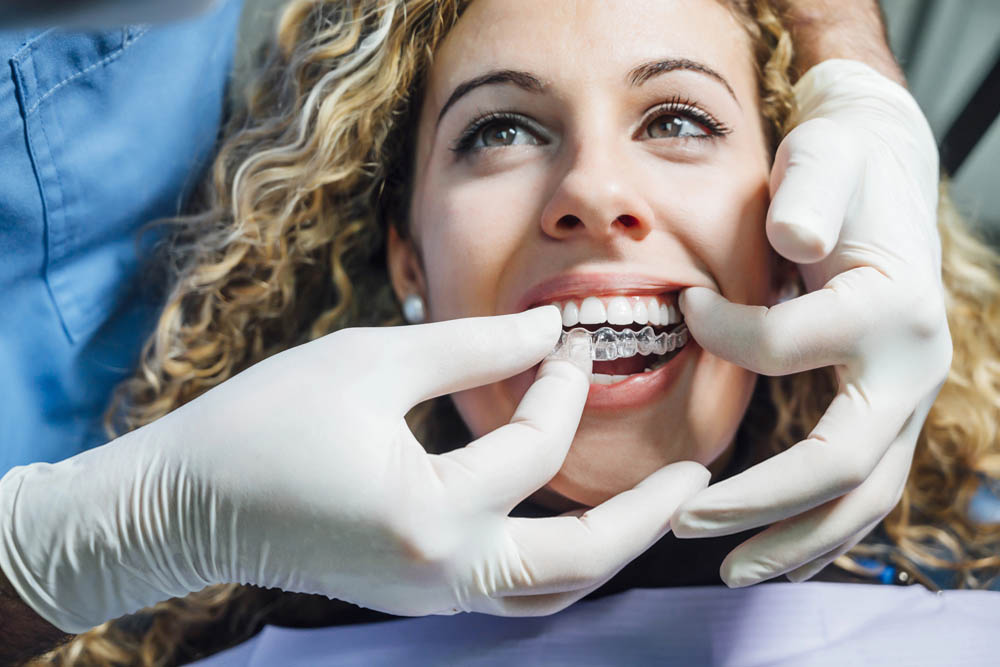
Invisalign uses a series of custom-made, removable plastic trays designed to gently move your teeth into better alignment over time. Each aligner set is typically worn for 1–2 weeks before progressing to the next, gradually guiding your teeth into their ideal positions.
Modern clear aligners are more capable than ever. With today’s materials, digital treatment planning, and the use of attachments (tiny tooth-colored bumps placed on certain teeth), Invisalign can correct many issues that once required traditional braces—including crowding, spacing, and several bite problems.
Common Orthodontic Problems Invisalign Can Correct
Crowded Teeth
What it is: Crowding occurs when there isn’t enough room in the jaw for all the teeth to fit properly, causing teeth to twist, overlap, or bunch together. This makes cleaning difficult and increases the risk of decay and gum disease.
How Invisalign can help: Invisalign can gradually create space by gently expanding the arches or using interproximal reduction (polishing very small amounts of enamel between teeth) to help teeth align correctly. Thanks to modern techniques, Invisalign can often treat moderate – and even some severe – crowding.
Gaps and Spacing
What it is: Spacing issues occur when there is too much room between teeth, resulting in visible gaps. This may happen due to genetics, missing teeth, or habits such as tongue thrusting.
How Invisalign can help: Clear aligners are effective at closing small to moderate gaps by moving teeth closer together in a controlled, predictable way. Closing spaces also helps protect the gums and reduces irritation that can happen when food gets stuck.
Overbite (Deep Bite)
What it is: An overbite happens when the upper front teeth excessively overlap the lower front teeth. In a deep bite, the lower teeth may nearly disappear behind the upper teeth when biting down, which can lead to premature wear, jaw discomfort, or chipped teeth.
How Invisalign can help: Invisalign can often correct mild to moderate overbites through strategic tooth movements, attachments, and sometimes elastics. Treatment reduces the overlap, helping the upper and lower teeth meet in a healthier, more stable bite.
Underbite
What it is: An underbite occurs when the lower front teeth sit in front of the upper front teeth. This can affect chewing efficiency and cause uneven wear.
How Invisalign can help: When the issue is primarily dental rather than skeletal, Invisalign can often reposition the upper and lower teeth into better alignment. More severe jaw-based underbites may require additional appliances or surgical orthodontics, but many mild to moderate cases are successfully treated with aligners alone.
Crossbite
What it is: A crossbite happens when some of the upper teeth bite inside the lower teeth instead of outside. This may affect the front teeth, back teeth, or both. Crossbites can lead to gum recession, uneven wear, and jaw shifting.
How Invisalign can help: Invisalign can often correct mild to moderate crossbites by repositioning the affected teeth and sometimes widening the arches. Early treatment is especially helpful for guiding proper bite development in younger patients.
Open Bite
What it is: An open bite is when the upper and lower teeth don’t touch when you bite down, creating a space. It can interfere with chewing efficiency and speech and is often related to thumb sucking, tongue habits, or certain growth patterns.
How Invisalign can help: Invisalign has become increasingly effective for open bite correction, using precise tooth movements, attachments, and sometimes interproximal reduction. Many open bite cases can now be resolved without more invasive treatment methods.
Mild to Moderate Tooth Rotations / “Crooked Teeth”
What it is: Teeth that are crooked or rotated can affect bite function and appearance, and they are more difficult to keep clean.
How Invisalign can help: With strategic pressure points and attachments, Invisalign can correct many mild to moderate rotations. While some very severe rotations may still require braces, clear aligners successfully address most everyday “crooked teeth” concerns.
Relapse After Braces
What it is: Teeth can shift over time if retainers aren’t worn as recommended after braces. This shifting is called orthodontic relapse.
How Invisalign can help: Invisalign is an excellent option for refining or restoring alignment after relapse. A short treatment series can often bring teeth back to their ideal positions—and retainers help keep them there.
When Invisalign May Not Be Enough
While Invisalign is a powerful treatment option, it’s not ideal for every case. Severe skeletal issues – such as major jaw discrepancies – or highly complex movements may require braces, appliances, or surgical orthodontics.
That’s why choosing an experienced orthodontist matters. Dr. Skopek carefully evaluates your teeth, bite, and jaw structure to determine whether Invisalign or another treatment option will provide the most stable, predictable results.
Why Choose Skopek Orthodontics for Your Invisalign Treatment?
Invisalign is a powerful tool, but the success of your treatment depends on the expertise and planning of your orthodontist.
At Skopek Orthodontics:
- Dr. Skopek is a highly trained, board-certified orthodontist focused on delivering functional, beautiful, long-lasting results for children, teens, and adults.
- Advanced digital technology and modern clear aligner protocols allow us to treat simple and complex orthodontic cases with precision.
- A full range of treatment options – including Invisalign, braces, and custom retainers – ensures that each patient receives the approach best suited to their needs.
- Every treatment plan is personalized, taking into account your bite, lifestyle, and long-term oral health goals.
Invisalign FAQs
Can Invisalign fix my bite, or does it only straighten teeth?
Invisalign does much more than straighten front teeth. Today’s aligners can correct many overbites, underbites, crossbites, open bites, and spacing or crowding issues. Very severe jaw-related problems may still require braces or other treatments.
I have severe crowding – am I still a good candidate?
Possibly. Modern Invisalign techniques – including arch expansion and interproximal reduction – allow for correction of much more crowding than in the past. Dr. Skopek will let you know whether Invisalign or braces would provide the best outcome.
How long does Invisalign treatment take?
Most Invisalign treatments last between 6 and 24 months, depending on complexity. Minor touch-ups or relapse cases may require less time.
Is Invisalign a good option for teens?
Absolutely. Many teens prefer Invisalign because it’s discreet, comfortable, and compatible with school, photos, and sports. Dr. Skopek offer Invisalign and braces, recommending the best option based on the teen’s bite and responsibility level.
Do I need retainers after Invisalign?
Yes. Whether you choose braces or Invisalign, retainers are essential for maintaining long-term results. Teeth naturally shift over time without proper retention.
Take the First Step Toward a Healthier Smile
Invisalign can comfortably and discreetly correct a wide range of orthodontic issues, from crowding and spacing to various bite problems. The best way to determine whether Invisalign is right for you is to meet with an experienced orthodontist who understands your goals and the technology behind clear aligners.
If you’re considering Invisalign, schedule a free consultation with Dr. Skopek. He will evaluate your bite, explain your options, and create a personalized treatment plan designed to help you feel confident in your smile every day.